
Our roastery

A small roastery that roasts only what is ordered.

Two roast days a week, one drum roaster and a short list of coffees we buy by the season. This is how Drumlin works, and who you will talk to when you call.

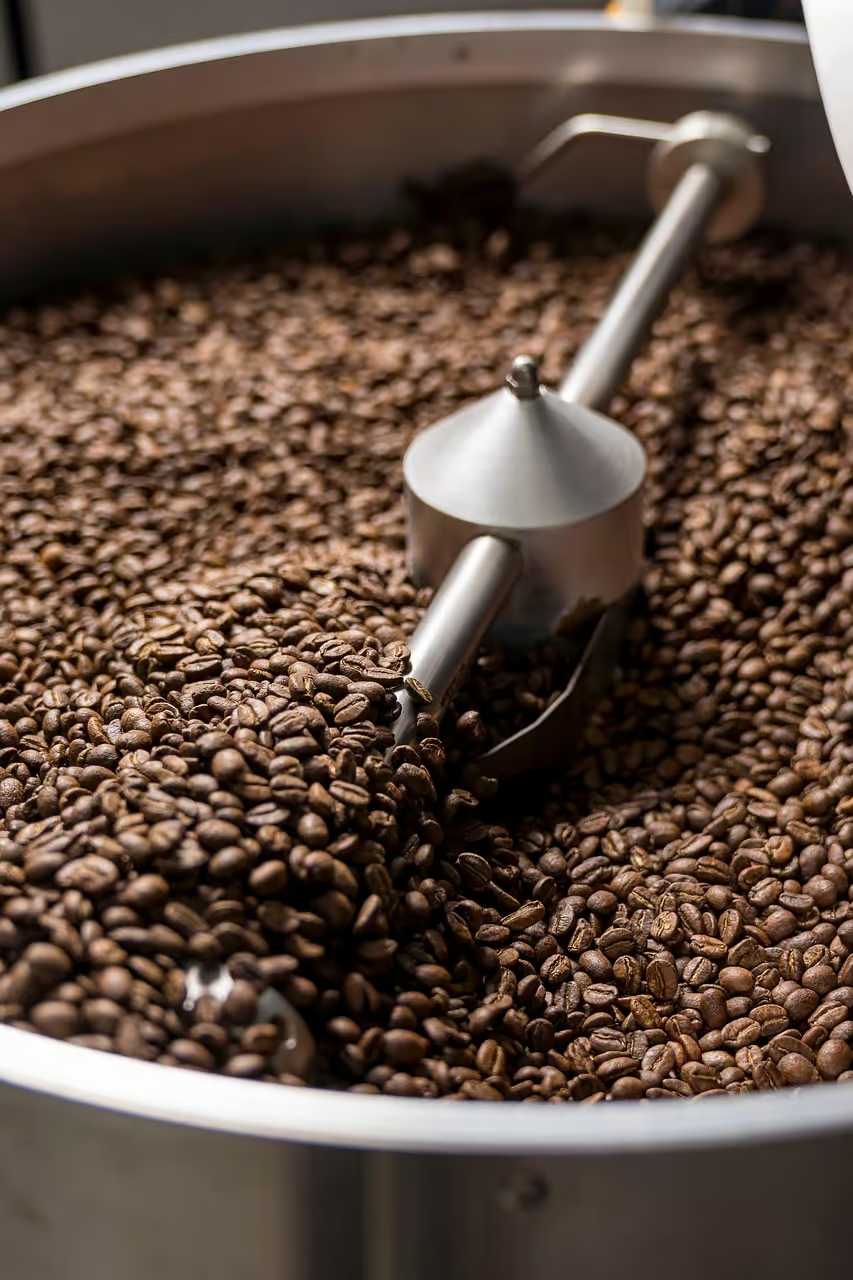
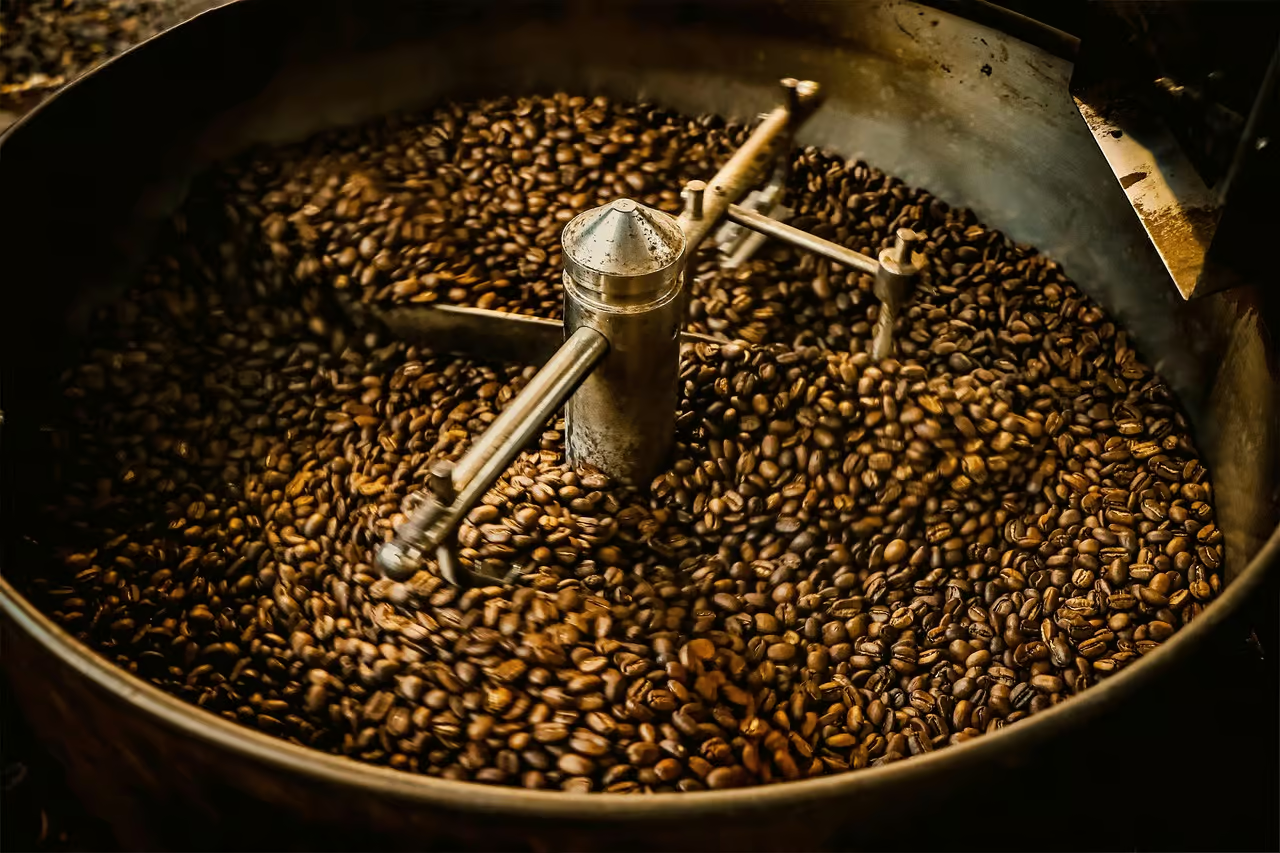
A cooling tray full of freshly roasted coffee beans with the stirring arm turning

The cooling tray, Thursday

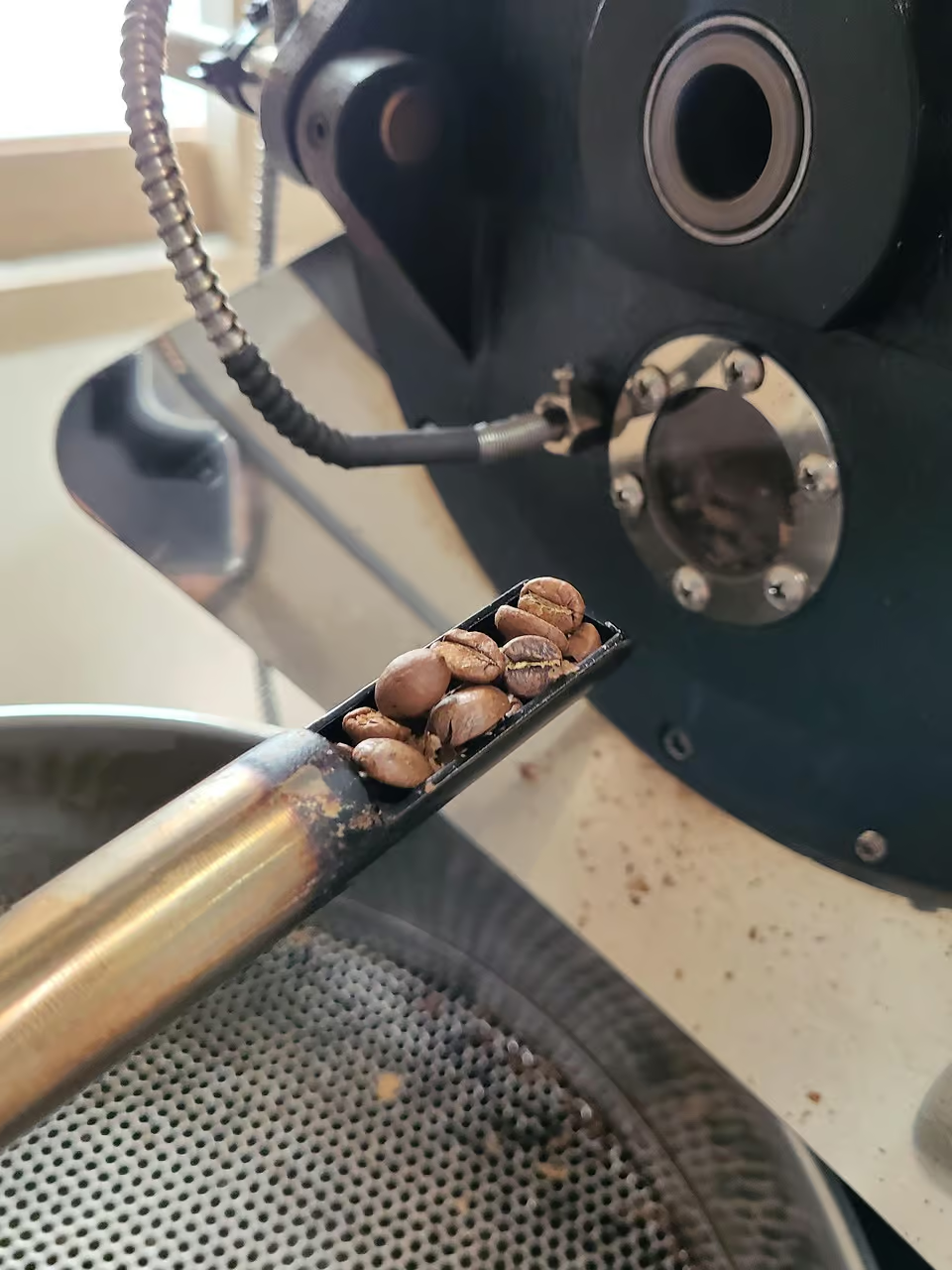
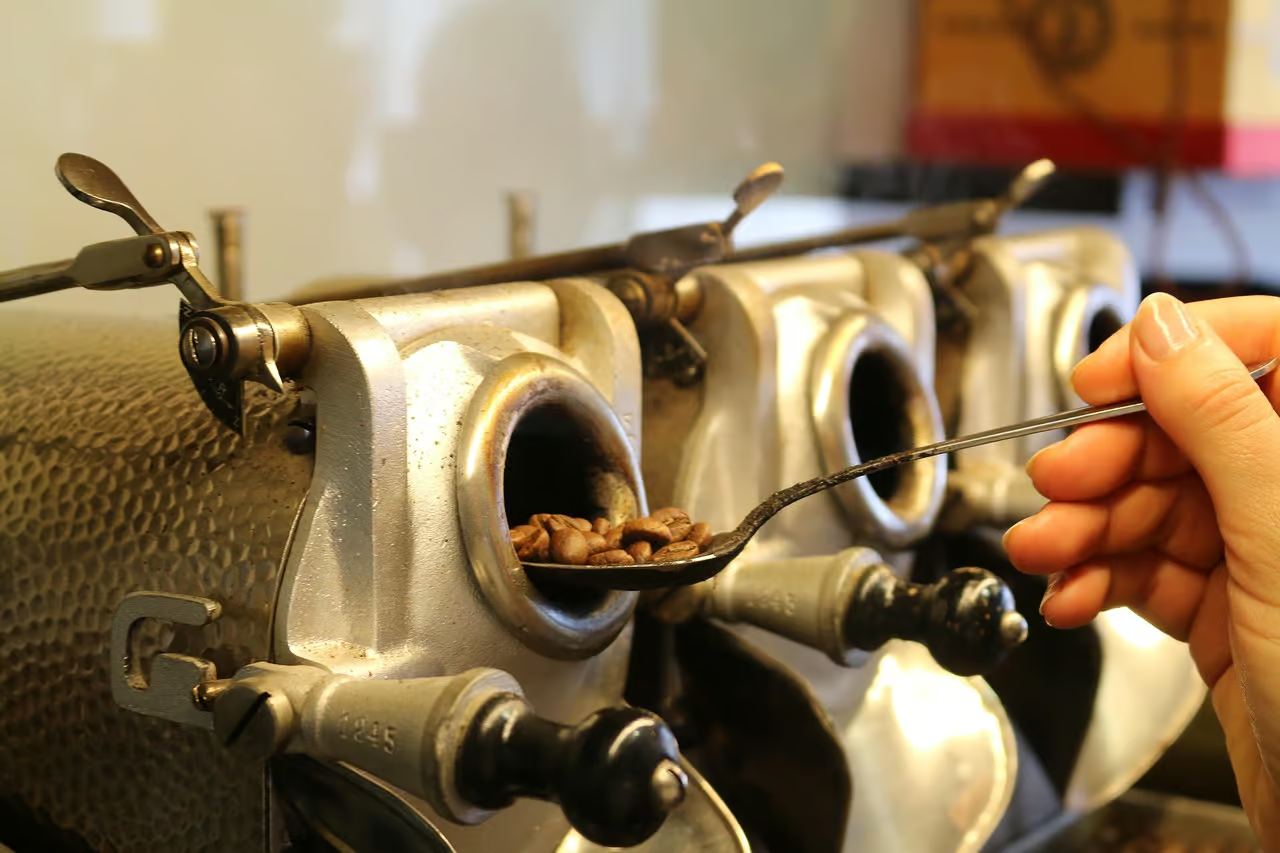
A spoon of beans drawn from a row of sample roasters

Our story

It began with one café asking for fresher coffee.

Drumlin started in a rented unit behind a bakery, named after the long, low hill you can see from the loading door. Our first customer was the café next door. They wanted coffee that had been roasted that week, not that season, and they wanted someone to answer the phone when the grinder misbehaved.

We still work that way. We roast on Monday and Thursday, only for orders already in, and the person who roasted your coffee is usually the one who picks up when you call.

Roast days

Monday and Thursday, for orders already in

On the list

Field Day, Long Light and Low Tide

Roaster

One drum, run by ear and by log
How we roast

Four steps, the same every roast day.

Nothing clever: careful weighing, small batches, a night of rest and a cupping table before anything is packed.

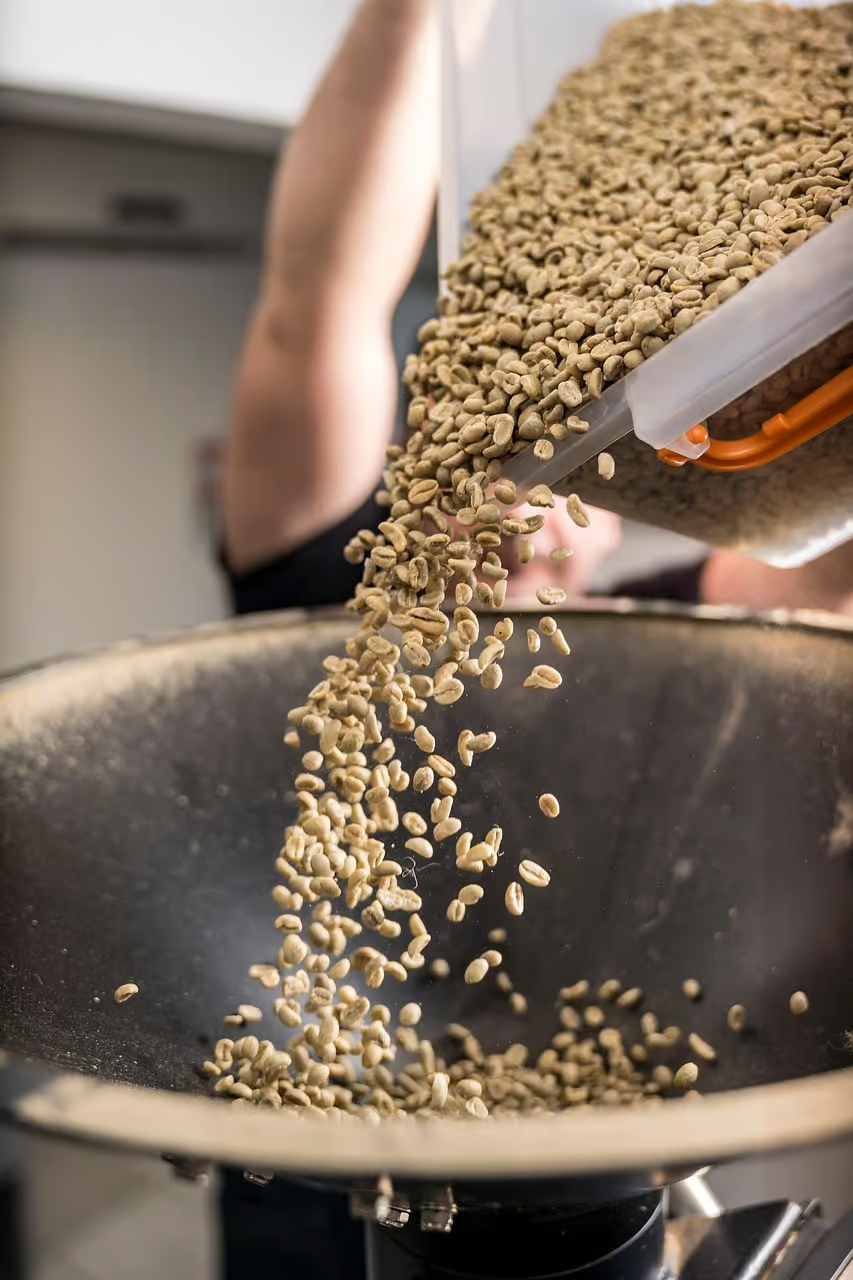
Green coffee beans poured into the roaster hopper

01 · Weigh

Green coffee, by the café

On the evening before a roast we weigh green coffee against every order, so nothing is roasted on spec.

A trier pulled from the drum, holding roasting beans

02 · Roast

Small batches, by ear and by log

Each batch is logged and checked with the trier. We listen for first crack and follow the curve, not the clock.

The stirring arm turning beans in the cooling tray

03 · Rest

A night to settle

Beans cool in minutes, then rest overnight so the espresso is calm by the time it reaches your hopper.

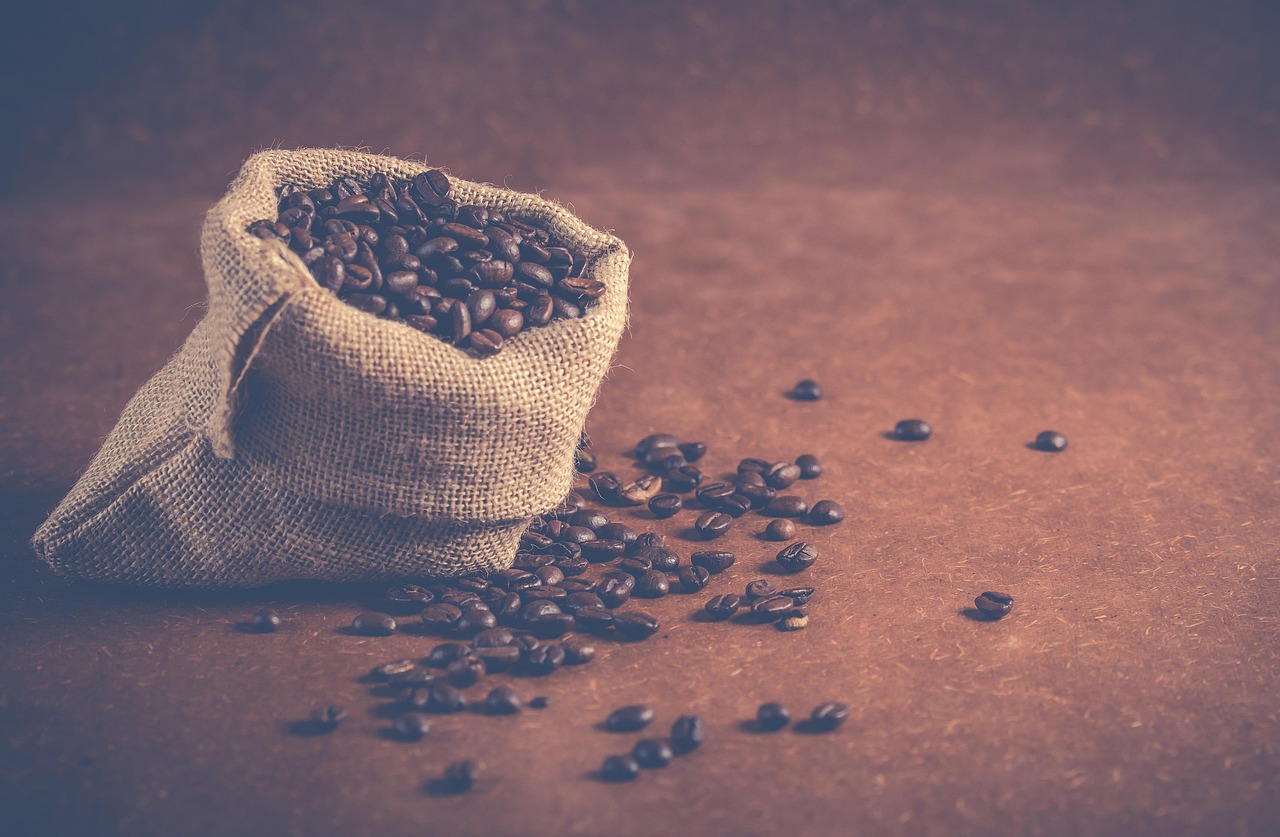
An open sack of roasted coffee beans on a table

04 · Cup and pack

Tasted before it leaves

Every roast is cupped the next morning. Only then is it packed into dated valve bags and booked with the courier.

What we hold to

Three promises we keep to every café.

They are why we stay small, and they are the things to hold us to if you become a customer.

  1. i.

    Roast to order

    Nothing is roasted for stock. If it is in your box, it was roasted for your box.

  2. ii.

    Say what is in the bag

    Origin, process, roast date and the people we bought it through, printed on every label.

  3. iii.

    Answer the phone

    A person who knows your account picks up on weekdays, and we come to you when a recipe drifts.

The team

Four people, one roaster.

Small enough that you will get to know us by name, and that we will know your machine by its quirks.

MH

Head roaster

Maren Holt

Plans every roast day and cups each batch the next morning. The person to ask about how a coffee was developed.

TR

Green buying

Tomas Reyes

Works with our two importers, cups the samples and decides what joins the list each season.

AK

Café support

Ada Kowal

Runs the dial-in visits and the espresso training. Knows most of our customers' grinders by name.

IL

Dispatch and accounts

Ivo Lund

Packs, books the couriers and looks after invoices. Answers the trade line on weekday mornings.

Sourcing

Bought by the season, through people we know.

We buy green coffee through two specialist importers who visit the farms they work with. We choose lots on the cupping table, buy enough for one season, and change the list when the harvest changes.

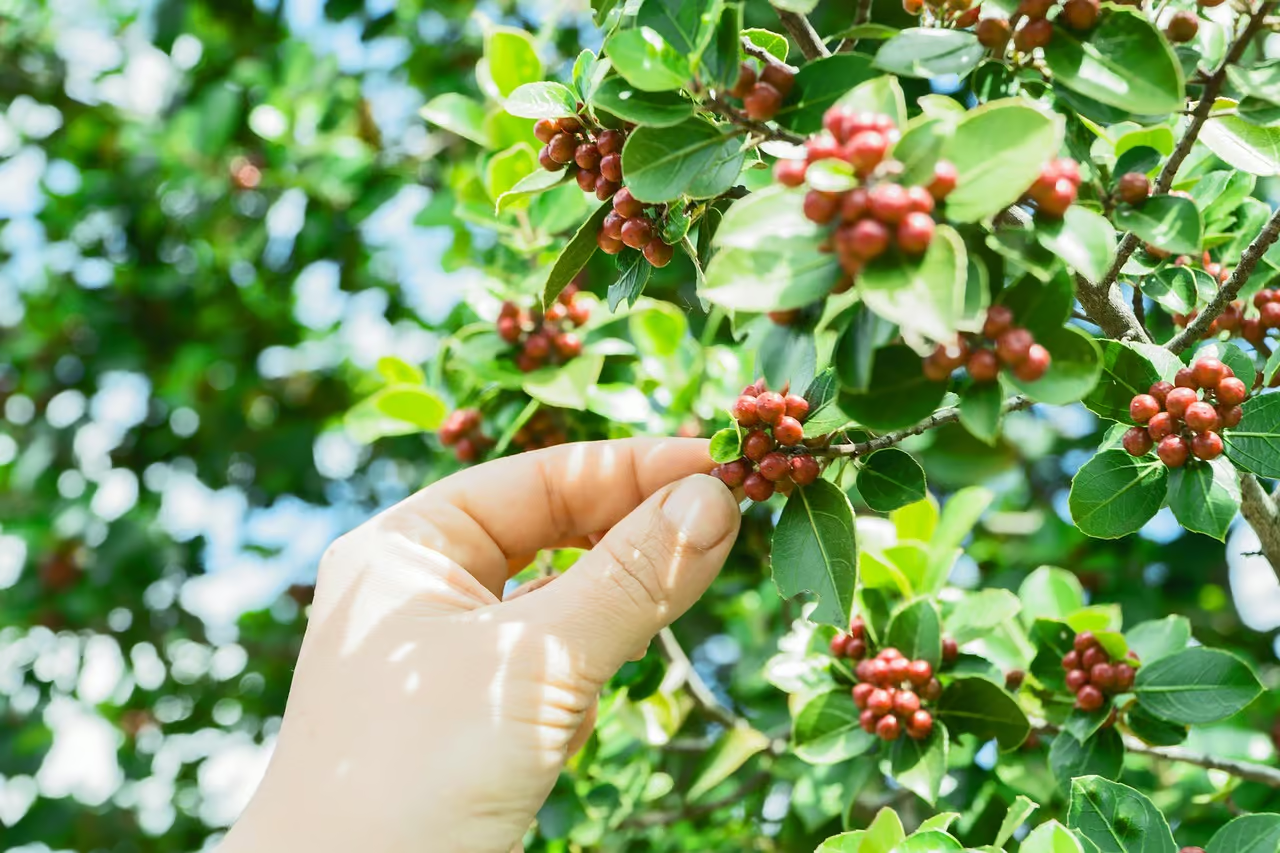
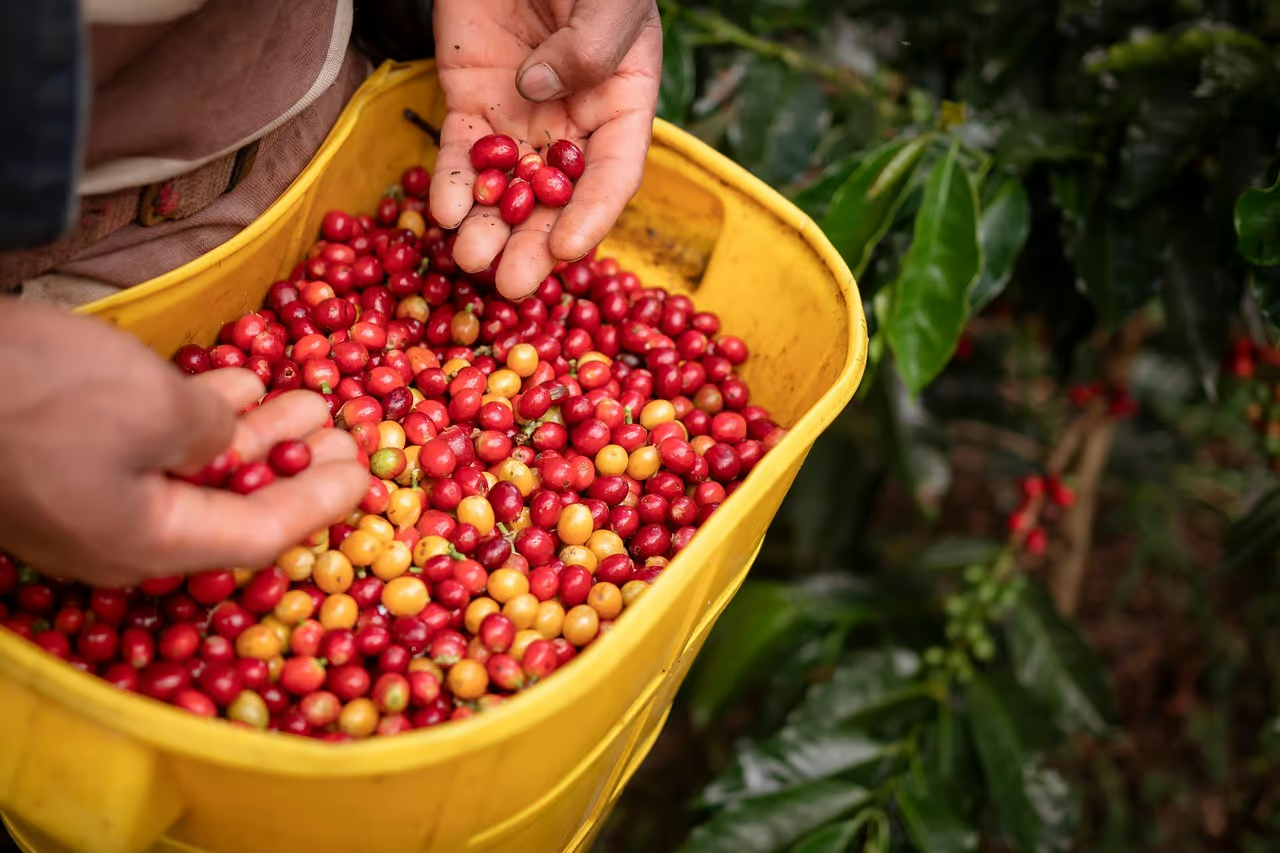
A hand picking ripe red coffee cherries from a branch

At the farm

Picked ripe

The farms our importers work with pick by hand and in several passes, so only ripe cherries go to the mill.

A yellow basket full of red and yellow coffee cherries

At the mill

Sorted with care

Cherries are sorted, processed and dried at the farm or the local mill before the lots are cupped for export.

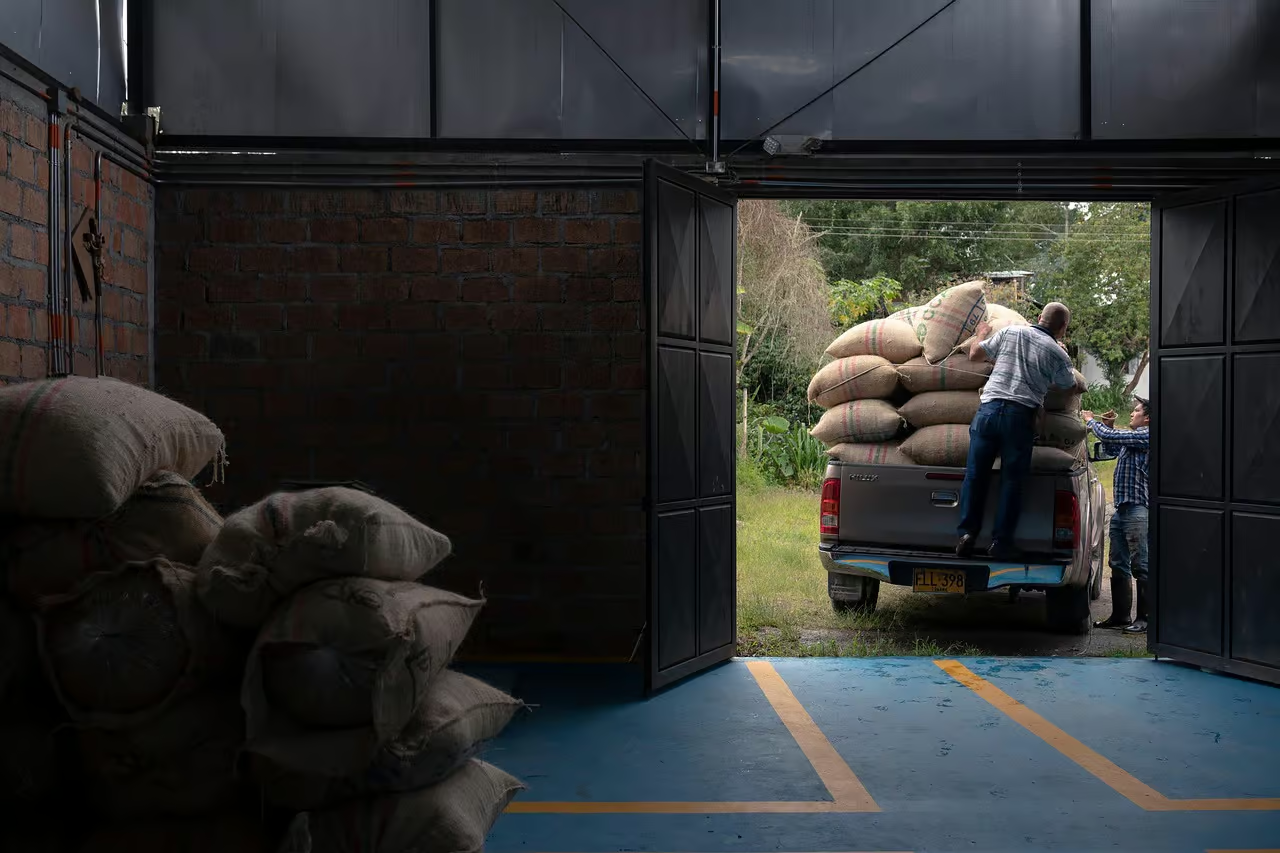
Sacks of green coffee loaded onto a truck at a mill warehouse

In season

Shipped once a year

We buy enough of each lot for one season, then change the list when the next harvest arrives.

Spring

New crop washed coffees from Ethiopia join the filter.

Summer

Fresh Brazil and Colombia lots settle into Field Day.

Autumn

A Central American guest lot, roasted in small runs.

Winter

Cupping the next season's samples before we commit.

The tasting box

Taste three roasts on your own machine.

Three 250 g bags, recipe cards for espresso and filter, and a call with the roaster to talk through what you tasted. If you set up an account, the box is taken off your first invoice.

  • Roasted Monday or Thursday
  • Rested one night
  • Credited to your first order